Building Fairer Cities Can Start with Children
Topic
08. 07. 2026
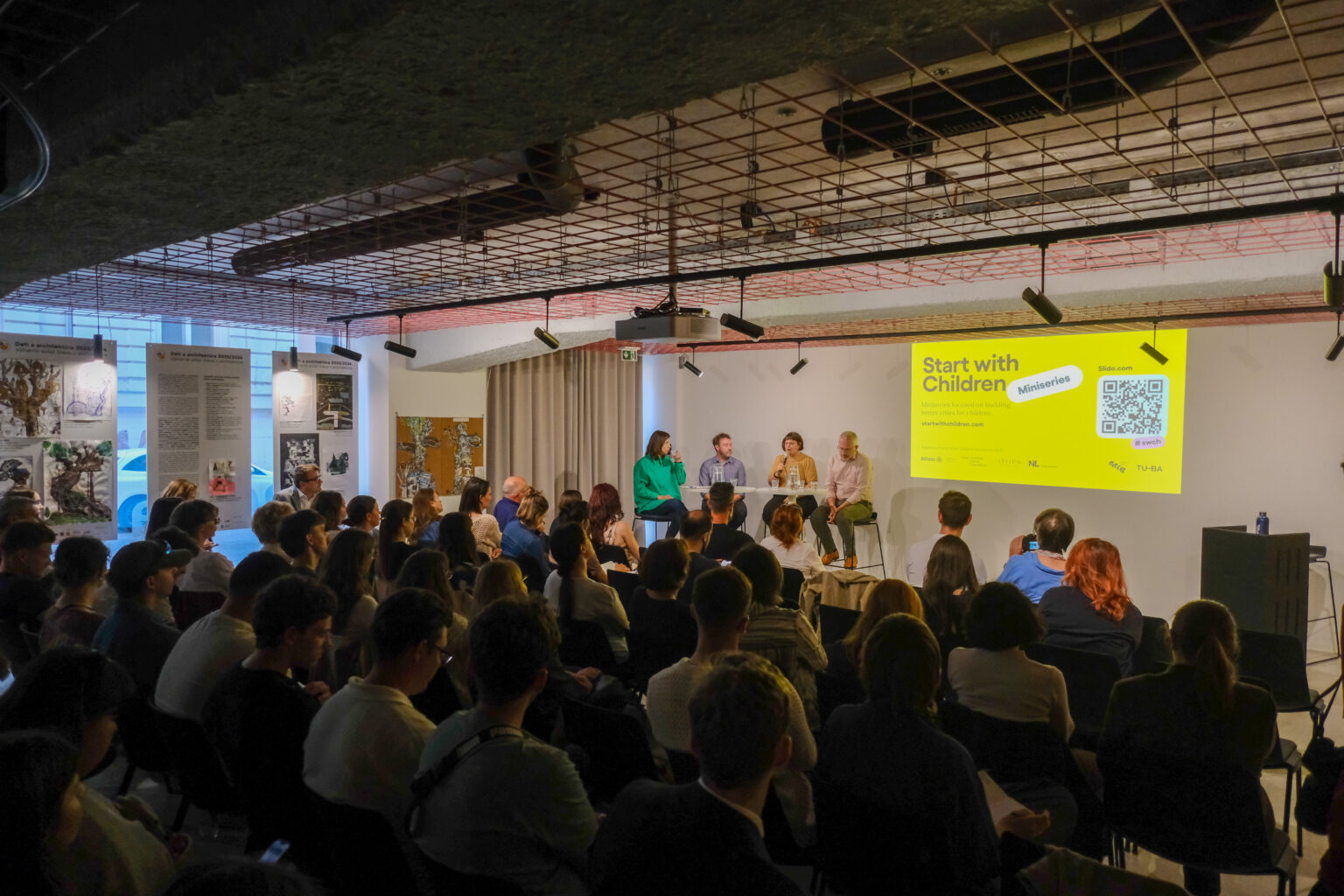
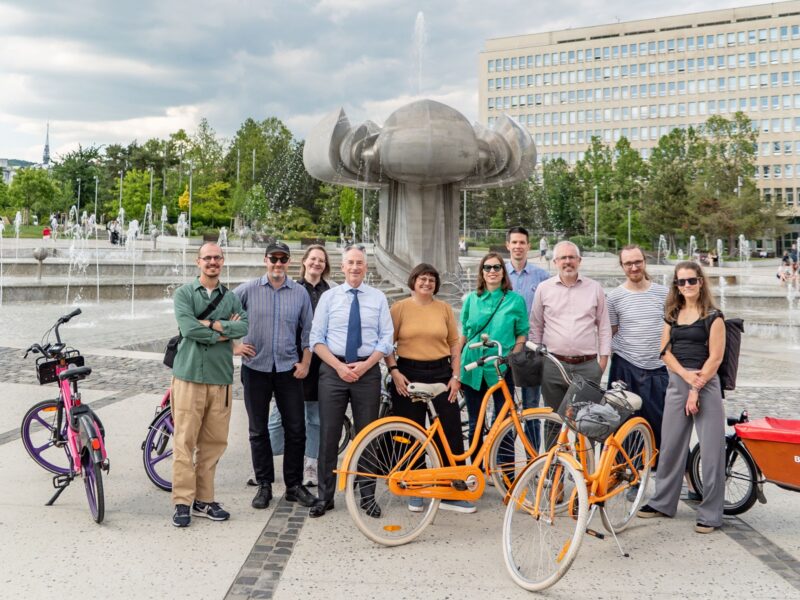
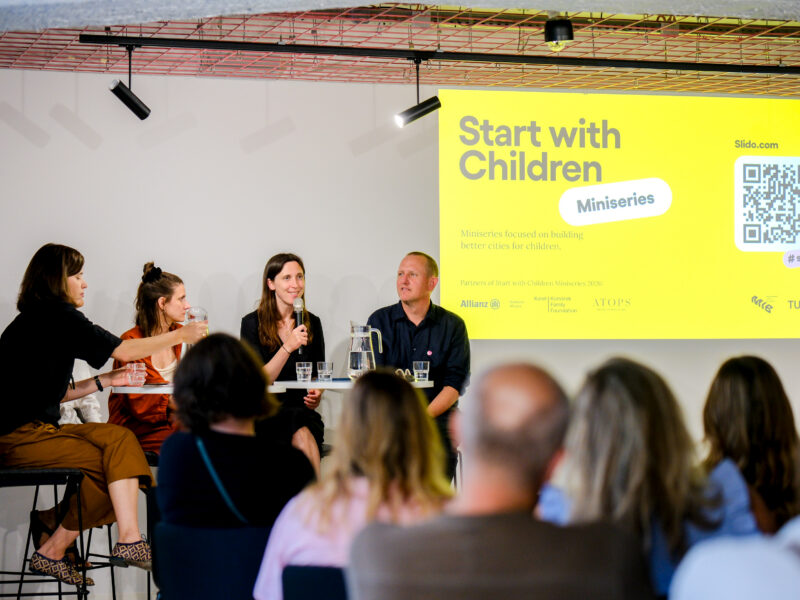
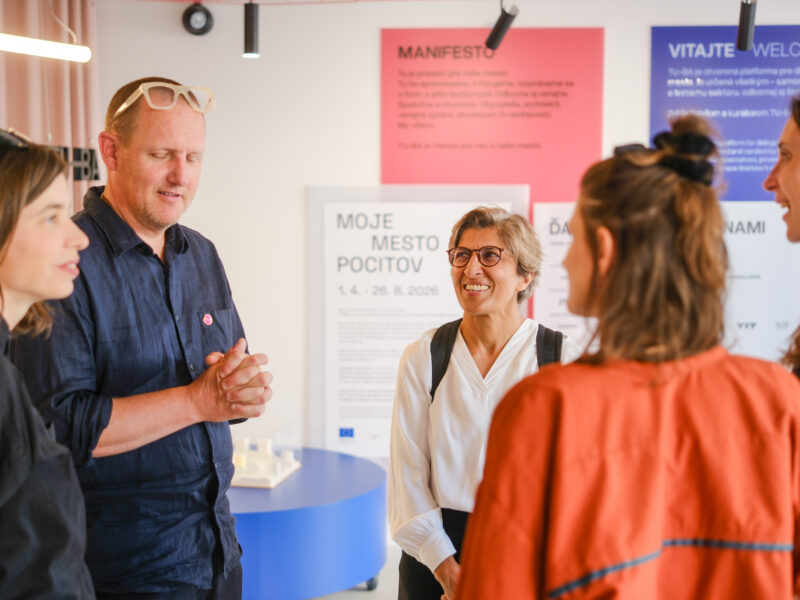
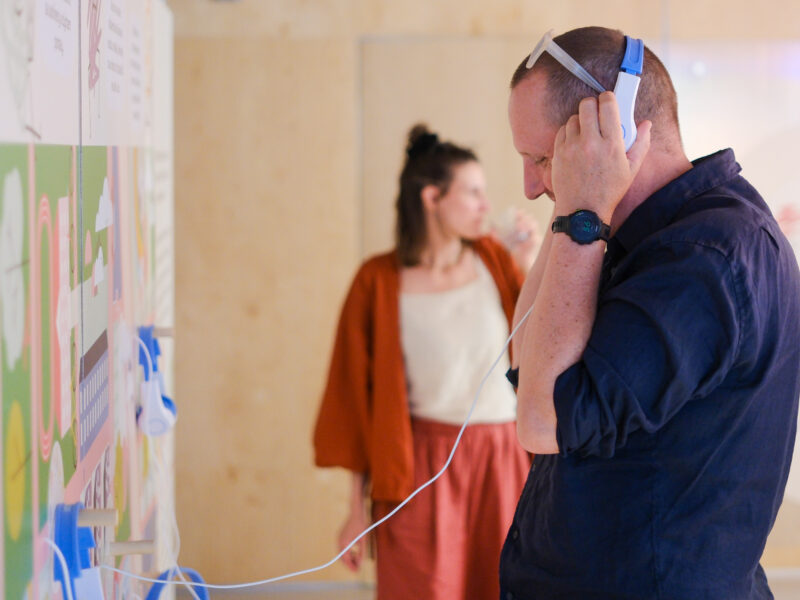
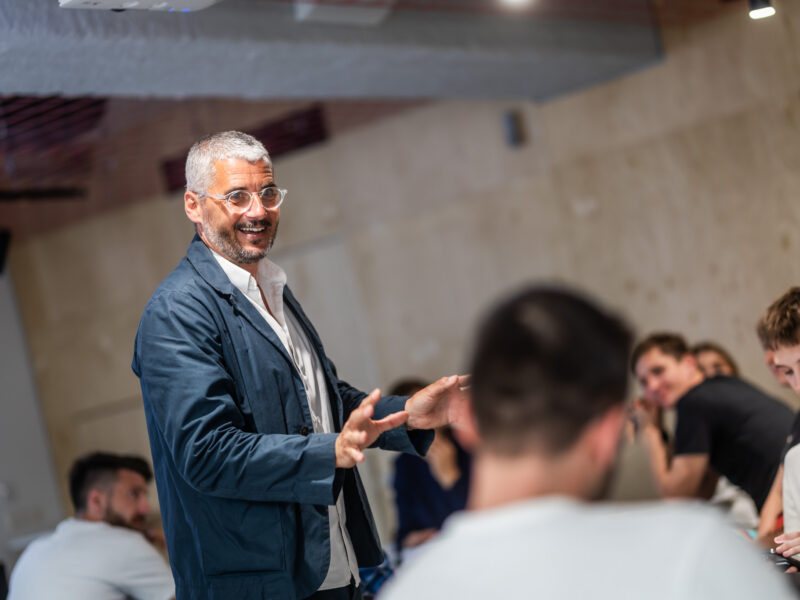
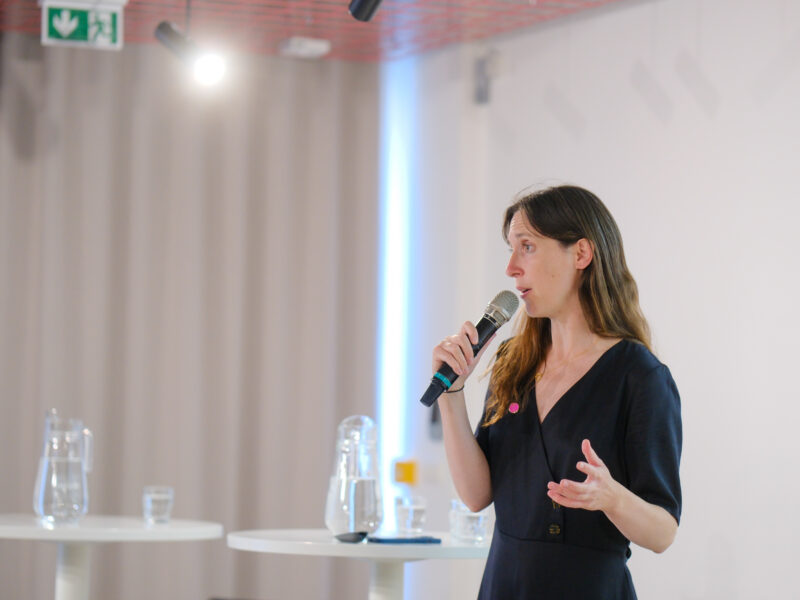
Over the past few months, the Start with Children Miniseries at TU-BA, Bratislava’s architecture centre, brought together leading international experts to explore one central question: what makes a city truly fair?
The series organised by the Metropolitan Institute of Bratislava (MIB) welcomed architects, urbanists and city-makers from across Europe to discuss topics ranging from next generation co-housing and climate adaptation to participation, gender-sensitive planning and designing cities with children and young people.
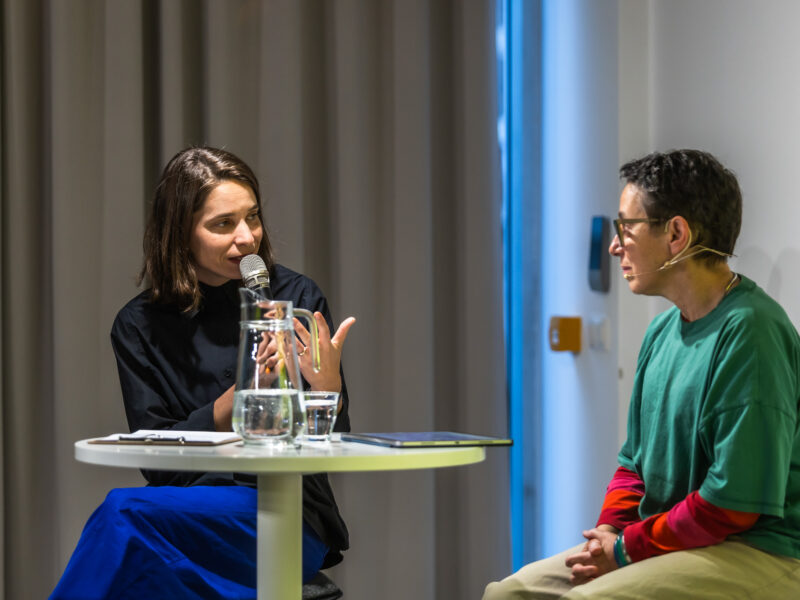
The series’ curator, Petra Marko, CEO of MIB, hosted discussions with guest speakers including Eva Kail (Vienna), Melissa and Chris Bruntlett (Netherlands), Kristian Villadsen (Copengahen), Cany Ash (London), Matthew Springett and Fiona MacDonald (London), joined by more guests in panel discussions including Simon Battisti transforming school streets in Tirana, Venus Jahanpour, Head of Bratislava’s Brilliant Stars International School and MIB participation expert Zuzana Žurkinová.
A City that Works for Everyone
Although each talk focused on a different aspect of city-making, they all arrived at the same conclusion: good urban planning begins with those who are too often overlooked.
A truly inclusive city is designed not only for people driving cars, but also for parents pushing strollers, children walking to school, teenagers looking for places to hang out, elderly residents who rely on nearby services, and everyone whose daily experience of the city differs from the “average” user.
That is precisely the premise behind Start with Children. When we design cities that work for the most vulnerable, we create cities that work better for everyone.
Designing Beyond the “Average” Citizen
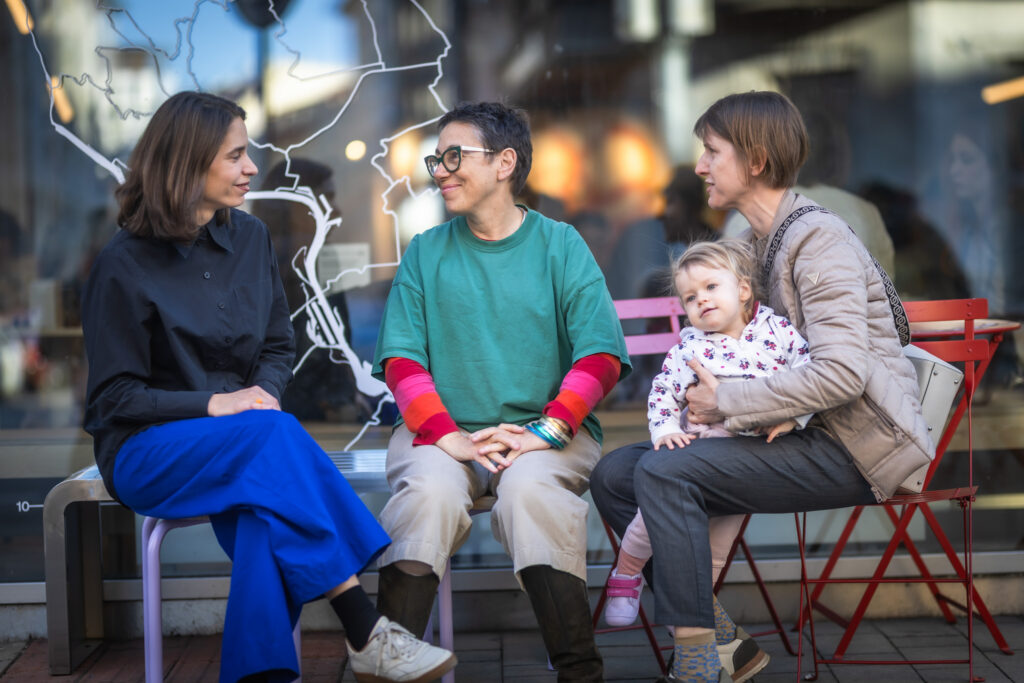
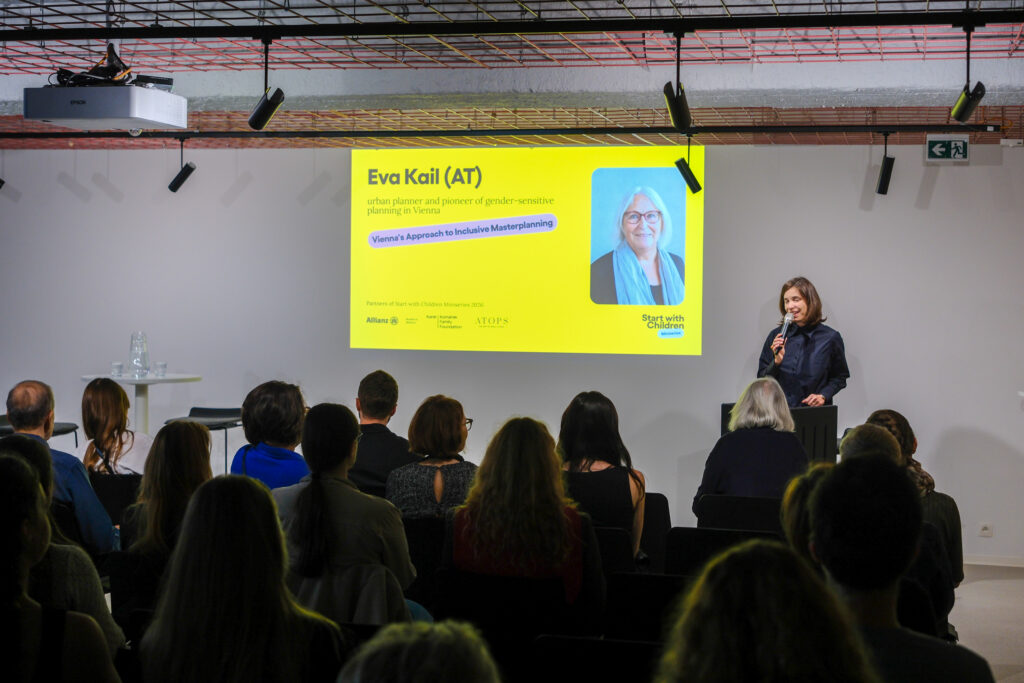
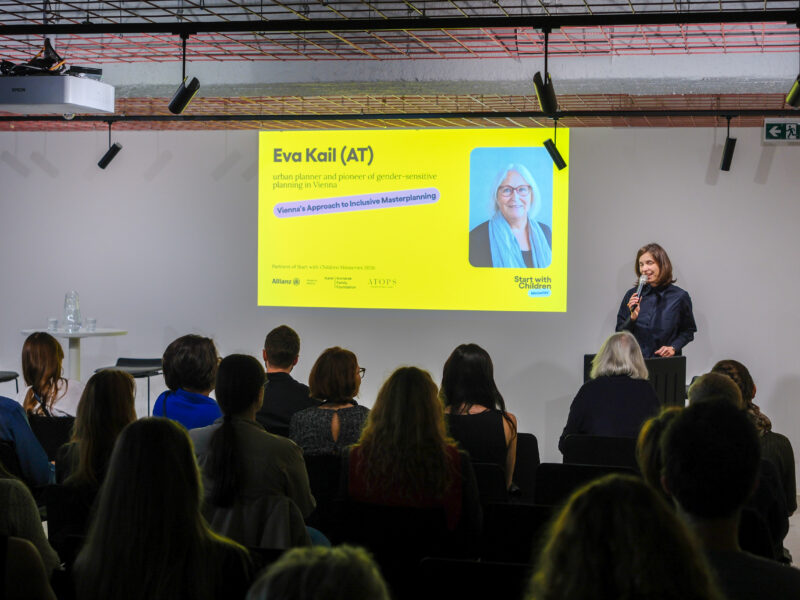
Vienna-based urban planner Eva Kail showed how, until surprisingly recently, cities were largely planned around the needs of one very specific group: young, healthy, working men travelling by car.
Meanwhile, the everyday journeys of women, often shaped by caregiving and multiple destinations, remained largely invisible in planning processes. Today, children and older adults continue to be overlooked, despite being among those most affected by inadequate access to public spaces and the impacts of climate change.
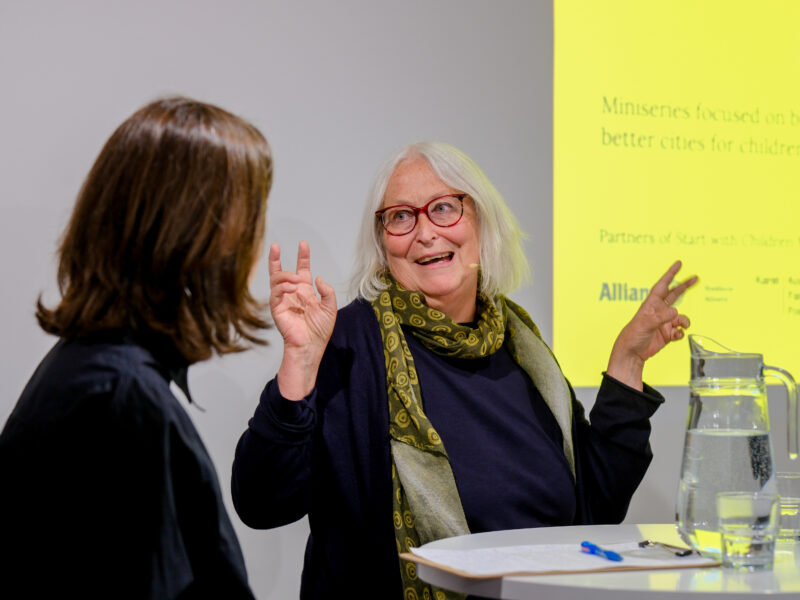
“Gender-sensitive planning means recognising the different ways people experience cities,” Kail explained. “It is about balancing competing needs fairly and bringing greater social intelligence into planning. Without that, we cannot build equitable cities.”

Sometimes the difference lies in seemingly small decisions. A healthy adult may walk to a nearby park in 15minutes. For a child or an older person, however, covering the same distance can take much longer and become a real barrier. Designing with different users in mind changes what we consider accessible.
Whose Voices Shape our Cities?
Progress is happening across Europe, but leadership in urban planning still does not reflect the diversity of the people cities serve.
When Melissa and Chris Bruntlett were writing Women Changing Cities, only 25 of the world’s 300 largest cities had women mayors.
“Women and men enter planning and engineering professions in almost equal numbers,” Chris Bruntlett noted. “Yet that balance disappears in practice and in leadership. The people making decisions about our cities should better reflect the communities they serve.”
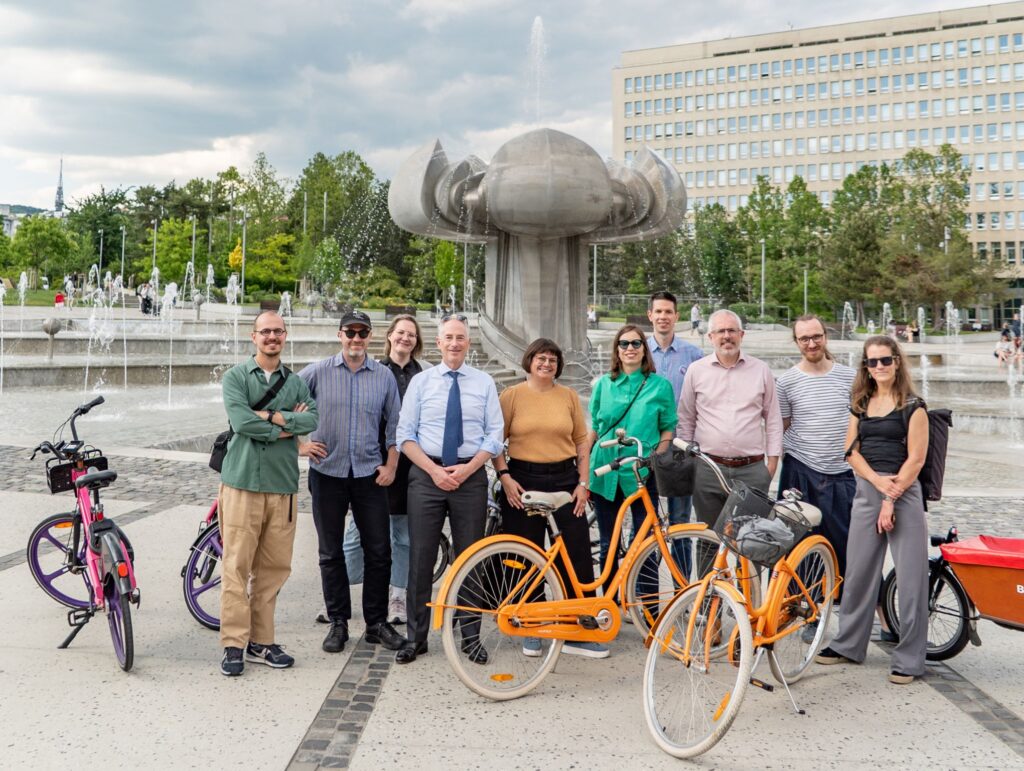
Their book highlights eleven women who have transformed cities around the world—from Paris’ bold investment in cycling and greener public spaces to Bogotá’s innovative Care Blocks, which provide integrated public services that support caregivers, particularly women.
The Bruntletts also reflected on how the pandemic changed the way cities think about public space. As shops, cafés and services suddenly depended on outdoor spaces to connect with people, cities began reimagining streets and squares as places to spend time rather than simply pass through. Those experiences, they said, became stories they first shared with their own children, and later with audiences around the world, in the hope of inspiring others to imagine different possibilities for their own cities.
Why Children Belong in City-making
For architects Matthew Springett and Fiona MacDonald, participation goes far beyond consultation. Through their practice MATT+FIONA, children and young people become genuine collaborators in designing places and spaces.
“When children and young people take part in planning, designing and even building places, the results are simply better,” Fiona MacDonald said.
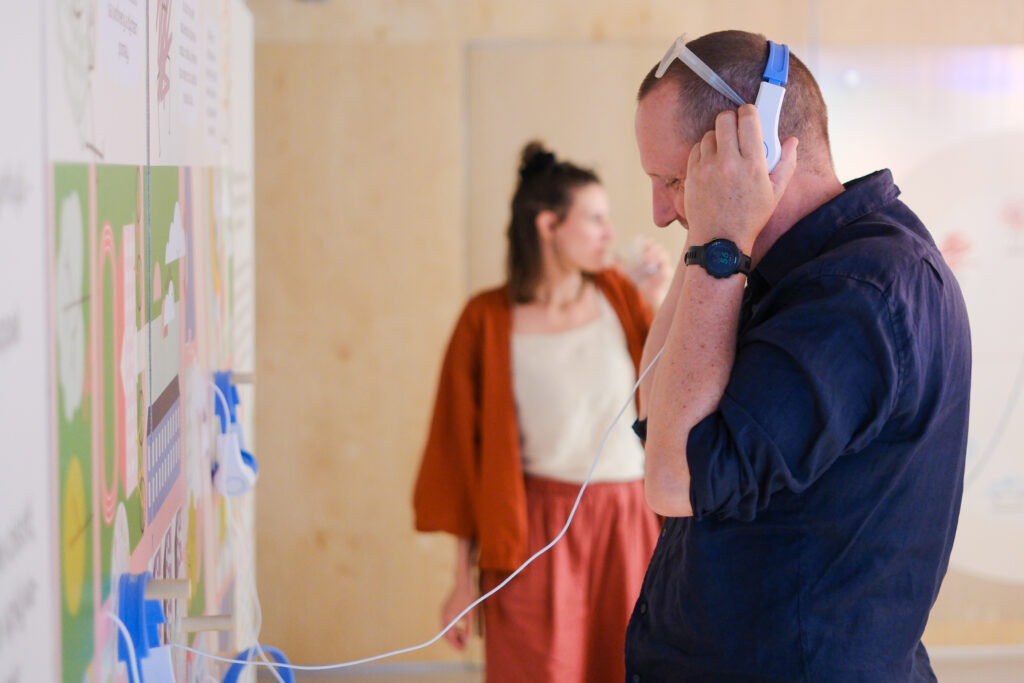
To date, their projects have involved more than 9,000 children and young people.
Their work has shown that young people are full of creative ideas and, given the opportunity and support, are more than capable of turning those ideas into reality. More importantly, early participation helps nurture confident, engaged citizens who are likely to remain active in shaping their communities throughout their lives and becoming advocates for positive change.
Cities are Never Finished
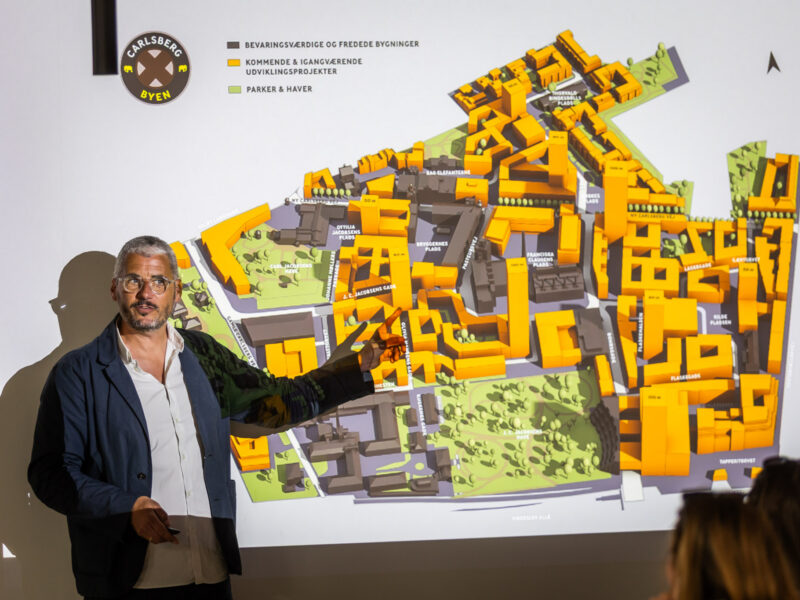
For Copenhagen-based architect and urbanist Kristian Villadsen, good urban planning is a continuous process rather than a finished product.
“Cities are never finished,” he said. “To plan well, we need to keep responding to how society changes. Today, perhaps the greatest challenge is climate change.”

While climate change affects everyone, it disproportionately impacts those who are already most vulnerable. Fair cities therefore begin by asking who is most affected and ensuring those people are included in planning from the very beginning.
Rethinking How we Live Together
London-based architect Cany Ash, co-founder of Ash Sakula Architects, invited audiences to think even more broadly about the future of housing.
As artificial intelligence reshapes work and economic security, she argued, our housing models must become more flexible too. That flexibility, she believes, begins with questioning how we think about urban density.
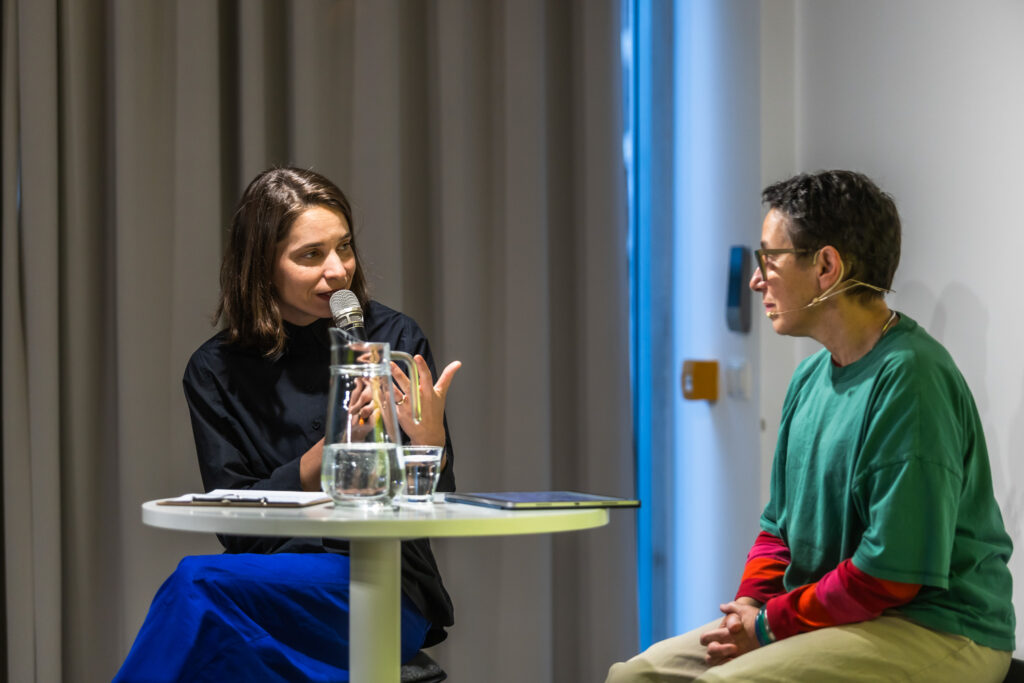
Neighbourhood density influences far more than housing supply. It affects how connected or isolated we feel, whether we know our neighbours, how often we rely on cars, and ultimately the environmental impact of our daily lives.
“The traditional model of the nuclear family, with one person driving to work while everyone else remains at home, no longer reflects how most people live,” she explained.
Instead, cities need housing models that respond to today’s more diverse realities.
One of those realities is loneliness, an increasingly widespread public health challenge.
For Cany Ash, tackling loneliness starts with good architecture but depends just as much on shared experiences. Community gardens, local events and everyday opportunities to meet neighbours can all strengthen social ties and create more resilient communities.
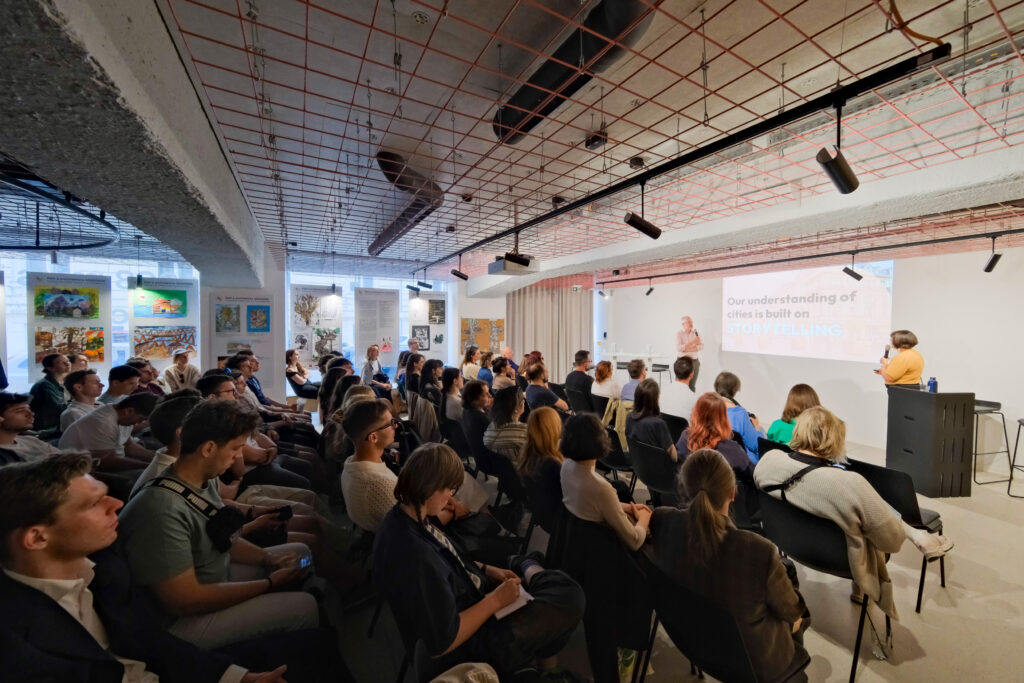
Most importantly, she argued, cities need to start by listening. Understanding what people actually need from housing should always come before designing solutions.
Learning from Each Other
For the Metropolitan Institute of Bratislava, the lecture series was as much about dialogue as it was about inspiration.
“At MIB, we closely follow international developments in city making,” said Petra Marko, CEO of the Metropolitan Institute of Bratislava. “By bringing leading experts to Bratislava, we create opportunities for architects, planners, transport specialists, environmental experts and students to learn, exchange ideas and discuss the future of our city.”
The conversations work both ways. International guests also help assess Bratislava’s own progress and offer valuable outside perspectives.
“Urban transformation is rarely simple,” Petra Marko added. “It is often complex, even conflicting, as change creates uncertainty. That is exactly why it is so valuable to hear from people who can see our progress from the outside. Their perspective reassures us that we are moving in the right direction.”
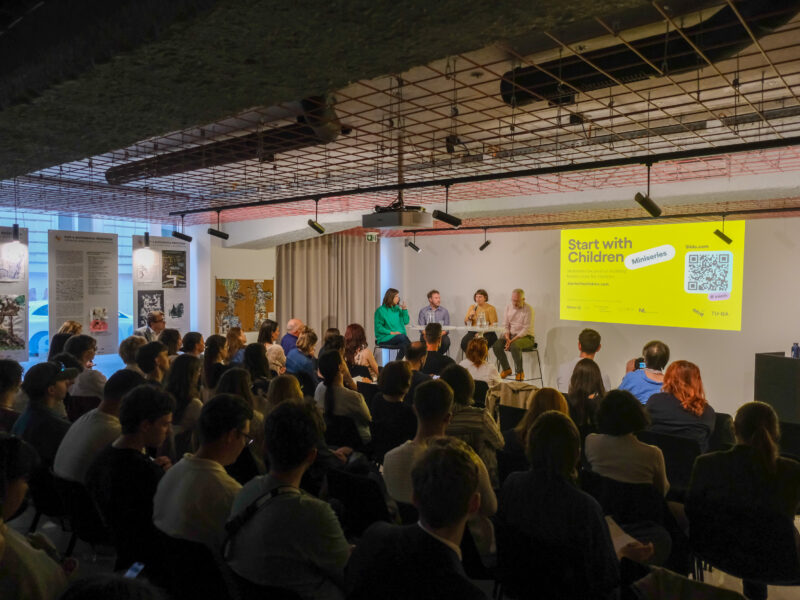
Beyond sharing knowledge, the Start with Children series also introduced Bratislava to leading European city-makers. The guests recognised the city’s ongoing transformation towards becoming more liveable, climate-resilient and people-centred.
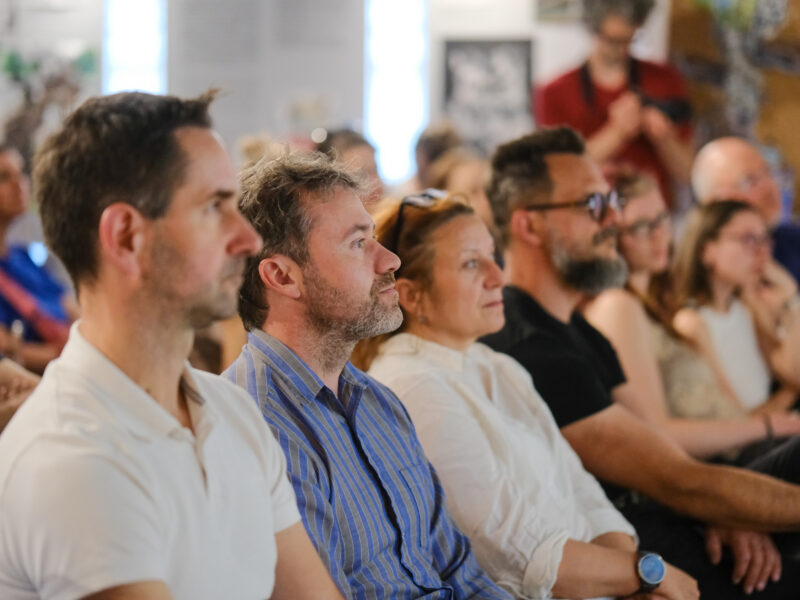
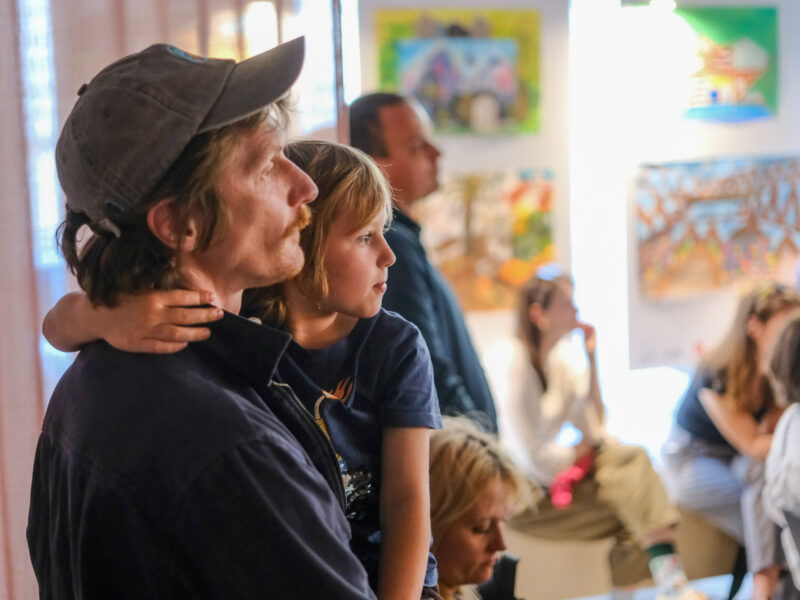
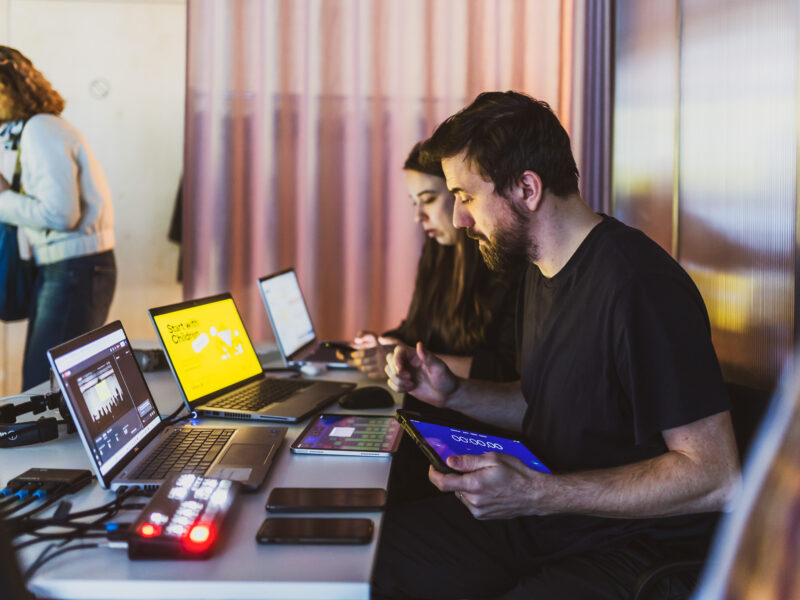
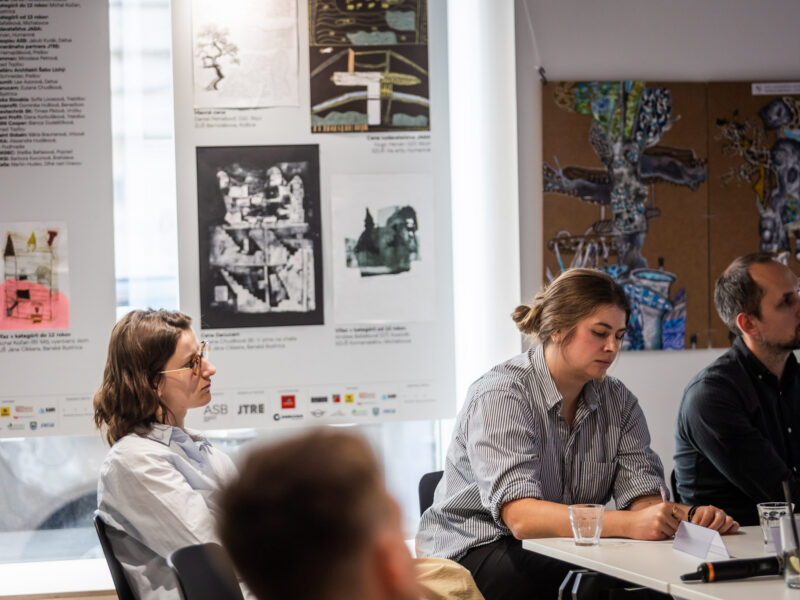
Nearly 400 people attended the lectures in person, with another 300 joining via livestream.
The lecture series was made possible thanks to the support of Allianz Foundation, Karel Komárek Family Foundation, ATOPS and the Embassy of the Kingdom of the Netherlands.
Do you want to see more? Watch videos from lectures:





Share with friends: